
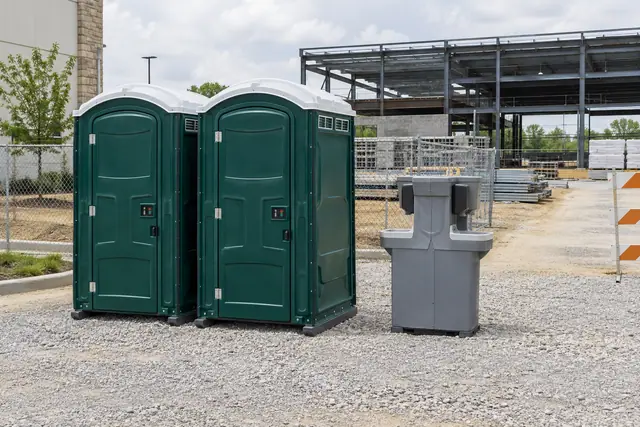
Trace a route from the current work area
Identify where the crew starts, which gates they can use and where deliveries or operating equipment cross their path. Show the proposed toilet on the same drawing as those movements. A unit outside a newly restricted zone can be physically close yet unavailable to the people who need it.
Review the next phase before the boundary moves
When scaffolding, temporary fencing or material storage is due to change, include the restroom route in that planning discussion. If the chosen position will no longer work, ask the provider about relocation or a revised arrangement ahead of time. Do not move or lift hired equipment with site machinery on an informal instruction.
Keep access visible during everyday changes
Ask the supervisor to notice blocked approaches, new trip obstacles and an entrance obscured by stored materials. Washing and any accessible provision need the same attention as the cabin. The supplier’s care visit does not replace daily control of the worksite around the equipment.
Questions before you book
Can the toilet stay in one position for the whole job?
Possibly, if safe user and service access remain practical. Review the position when the work zones change rather than assuming it will stay suitable.